
The chemical industry is characterized by high temperature, high pressure, flammability, explosiveness, toxicity, corrosiveness, and continuous production. Equipment and pipelines are in prolonged contact with hazardous media, making them susceptible to corrosion, wear, fatigue, leakage, and failure. Inspection and maintenance are core control measures for ensuring safe production, stable operation, and regulatory compliance in the chemical industry. Xingyou Company deeply understands the essence of maintenance and has strategically planned its maintenance activities to stabilize production.
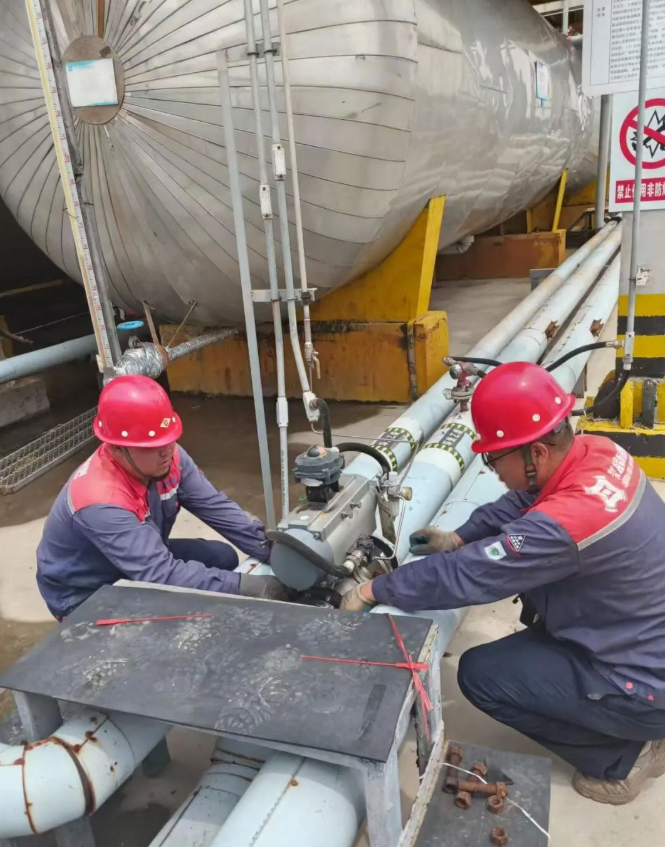
I. Core Necessity of Inspection and Maintenance
1. Chemical Media and Operating Conditions Naturally Lead to Equipment Degradation
Corrosion damage, mechanical wear, fatigue and stress damage, scaling and blockage, and aging failure — without regular inspection and maintenance, minor defects can rapidly escalate, directly triggering major accidents such as leaks, fires, explosions, and toxic asphyxiation.
2. Continuous Production Cannot Be Sustained by "Operating While Faulty"
Chemical plants typically operate 24 hours a day, seven days a week. A single equipment failure can shut down the entire system. If minor hazards are not addressed promptly, they can easily trigger chain shutdowns or even secondary disasters. This necessitates the proactive elimination of failure points through planned maintenance.
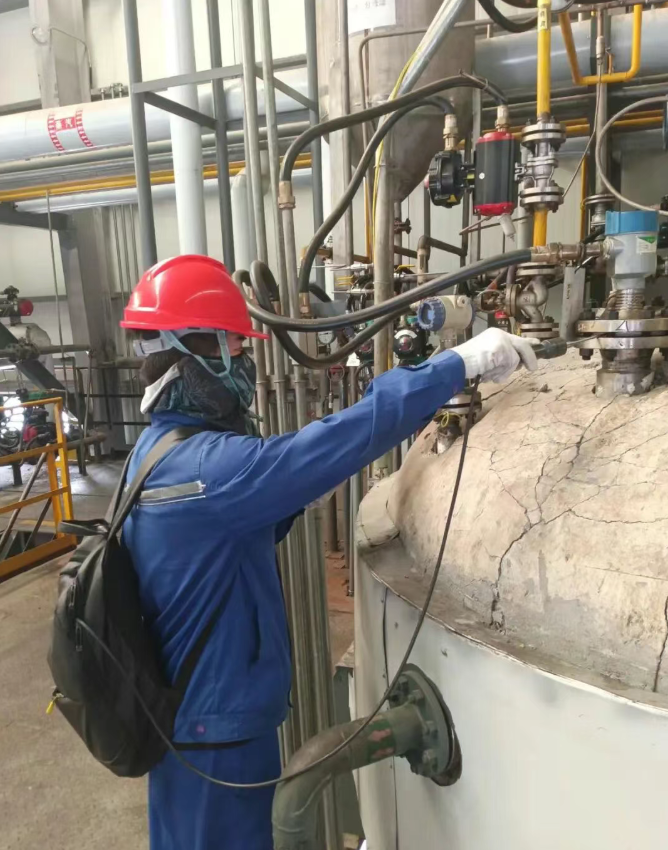
II. Multi-Faceted Value and Significance of Inspection and Maintenance
1. Safety Significance
Prevents major safety accidents at the source by eliminating the root causes of leaks and explosions, restoring the functionality of safety protection devices, and ensuring automatic pressure relief, shutdown, and alarm activation under abnormal conditions — building a solid safety barrier.
2. Production Operation Significance
Ensures stable, continuous, and full-load operation of equipment; restores design performance; unblocks clogged pipelines; eliminates leaks; returns units to rated capacity; prevents unplanned shutdowns caused by sudden equipment failures during operation; and reduces product non-conformance and system fluctuations.
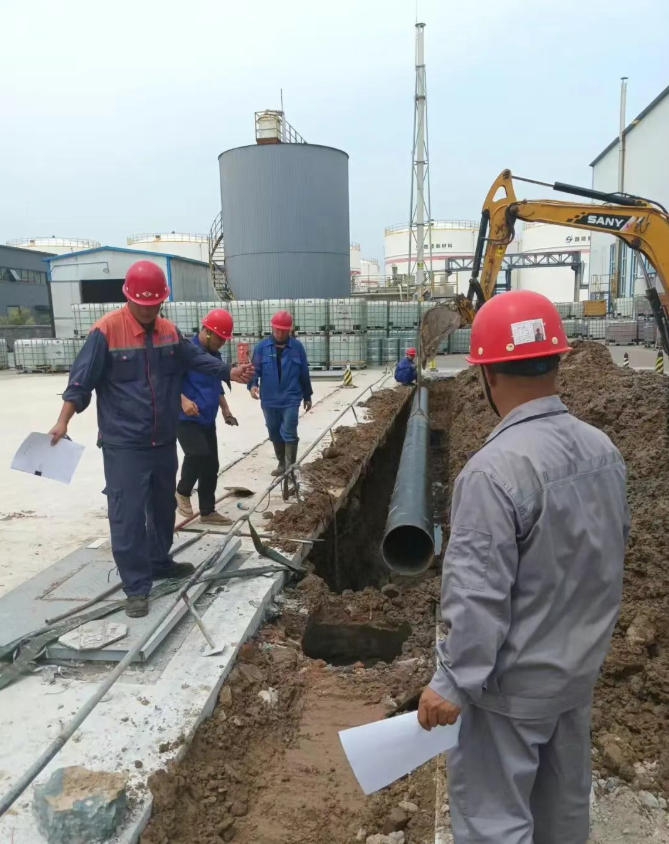
Chemical inspection and maintenance is not simply "repairing equipment" — it is a proactive risk management tool, a guarantee of production stability, a compliance necessity, a means of cost reduction and efficiency improvement, and a key lever for environmental protection. From a necessity perspective, its primary value lies in preventing catastrophic incidents such as fires, explosions, and poisonings, followed by stabilizing production, saving energy and materials, extending equipment life, and meeting environmental and regulatory requirements. At the same time, maintenance enables intrinsic safety upgrades of facilities, supports long-term sustainable operations, and allows the company to provide higher-quality products to its customers.